

Shellfish reef mapping in South East Queensland
- Posted by Akshata Mehta
- On April 28, 2026
Shellfish reefs are important coastal ecosystems that help stabilise shorelines, filter water, and provide habitat for marine life. In subtropical Queensland, however, many of these reefs have declined dramatically, and major gaps have remained in our understanding of where they once occurred, where they still persist, and what condition they are in today.

A new report by Dr Marina Richardson and colleagues, as a collaboration between the Global Wetlands Project (GLOW), Griffith University, the University of the Sunshine Coast, and the Queensland Wetlands Program, helps address this gap by mapping the historical and present distribution of shellfish reefs across South East Queensland, including areas within the Moreton Bay and Great Sandy Marine Parks and the associated Ramsar sites. The project produced historical and present point maps, present-day reef polygons, and a typology framework to describe different shellfish reef and habitat types.
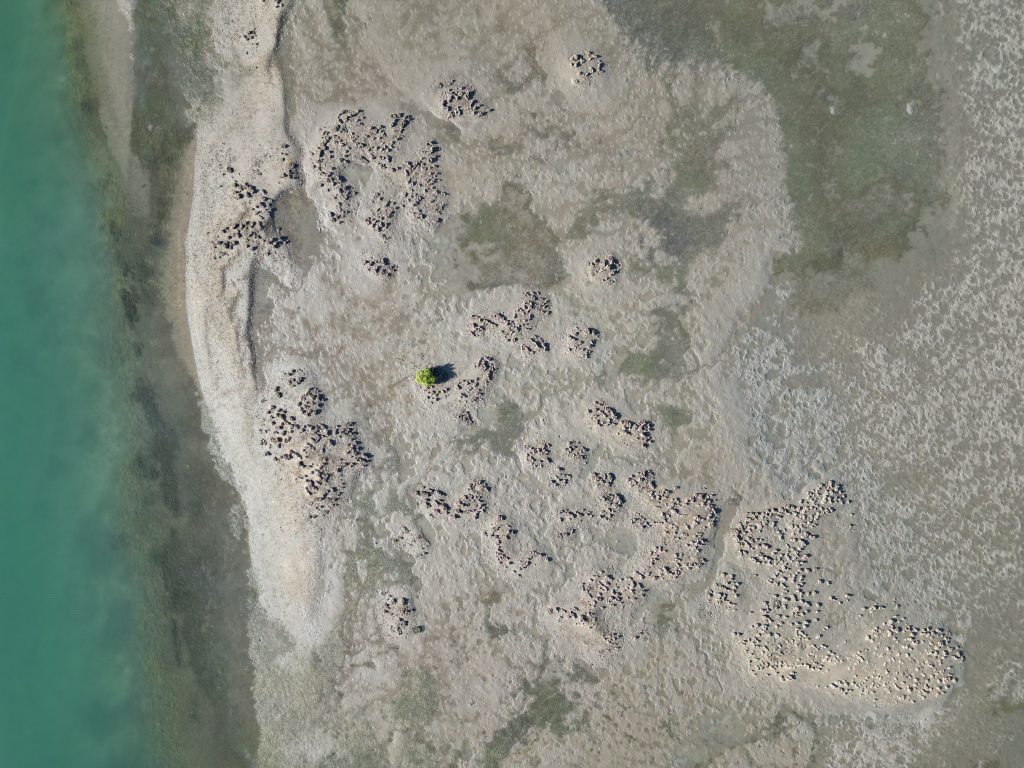
Figure 1: Aerial Image of Pumicestone Passage. Credit: Marina Richardson
One of the major contributions of the project is the reconstruction of historical shellfish reef distribution. By combining archival literature, museum records, historical accounts, and spatial analysis, the team created a clearer picture of where reefs were once found across South East Queensland. These historical records are not always precise, but they offer critical ecological context for understanding long-term change and loss.
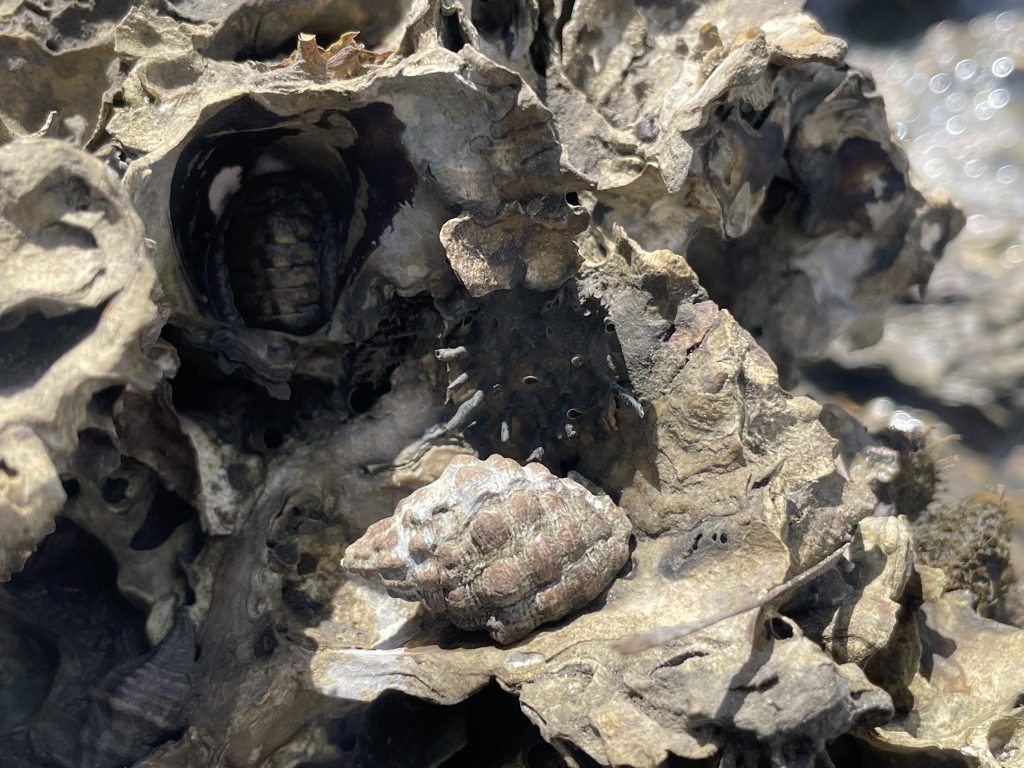
Figure 2: Mixed Species Shellfish Assemblage. Credit: Marina Richardson
The report provides an important baseline for future conservation, management and restoration. It shows that while shellfish habitats remain in the region, more work is needed to improve understanding of subtidal habitats, reef condition, and the species responsible for building reefs in different settings. It also identifies key priorities for future work, including improved species identification, better mapping of subtidal reefs, and stronger condition assessments to guide restoration and protection. Together, these findings provide a practical foundation for protecting and restoring shellfish reefs in South East Queensland.
0 Comments